
Tiny, TACTICAL, and Trustworthy — Can a Mini Cam Outsmart a Big Buck?
We trust compact cams more than flashy rigs. They hide better. They don’t change deer behavior.
We want STEALTH, fast TRIGGERS, and clear ID shots at dawn and dusk. Small trail cams deliver that without drawing attention. They give us the intel we need to pattern bucks and pick the right stand.
Top Picks



Browning Defender Vision Pro HD Cellular Camera
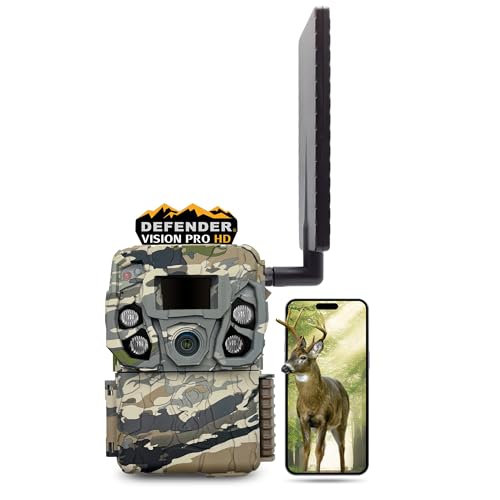
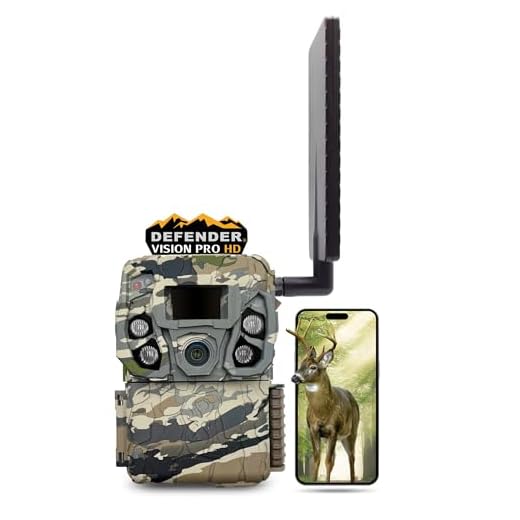
We count on this unit when image detail and night detection range matter most. Its 24MP sensor and 110' night detection make it excellent for identifying bucks and reading movement patterns at greater distances.
Why this is our premium pick
When we need high fidelity scouting photos and robust cellular performance, this is the camera we reach for. The 24MP sensor gives us the resolution to determine antler details at greater distance, and Browning’s on‑demand features add tactical flexibility for remote workups.
Standout features for hunting applications
How we use it in the field
We place this camera on prominent funnels and open edges where distance and detail matter: hardwood ridgelines, long shooting lanes, and major bedding exits. The long detection range paired with high resolution helps us classify bucks and decide which stands to prioritize.
Limitations and tactical considerations
Expect higher battery consumption due to advanced features and frequent cellular uploads. For multi‑camera systems, budget for either periodic battery swaps or an external power pack. The cost is justified for serious scouting and pressure management, but casual users may prefer simpler options.
Covert WC20-V 4G LTE Trail Camera
We find this camera excels at quick, reliable scouting with fast trigger speeds and clear daytime images. It’s a solid mid‑sized cellular option for hunters who want frequent previews without breaking the bank.
Purpose and where it fits
We use this model when we want a dependable, mid‑sized cellular scouting camera that balances image quality, battery life, and cost. The WC20‑V gives us fast triggers (.30s), high resolution 20MP stills, and local 1080p video—so we capture both photos and context clips of deer patterns without lugging a heavy rig.
Key features that matter to hunters
Benefits and field insights
We appreciate how the fast trigger tightens subject centering on trails and funnels where deer move quickly. The lack of a visible night glow helps keep cameras covert during nocturnal travel. Practical tip: place the camera on a slightly angled tree to catch chest and head profiles for better age/antler assessment.
Limitations and real‑world notes
Some users report intermittent cellular connectivity or camera failures after extended use, so we recommend rotating cameras and carrying backups. There’s no built‑in real‑time request feature like on pricier models, and you’ll need to supply an SD card and choose a cellular plan. For the price, though, we think it’s a high‑value tool for informed hunting decisions.
Covert WC20-A 4G LTE AT&T Trail Camera
We value this AT&T variant for the same reasons we value its sibling: quick triggers, clean daytime images, and reliable previews. It’s the go‑to when we want a balance of connectivity and price for wide property coverage.
Who this camera is built for
We recommend this AT&T‑network WC20 when you need an affordable cellular scouting option across medium‑sized properties. It blends features we value—speed, image resolution, and app previews—without the premium price tag of top‑end cellular cams.
Notable features for hunters
Field benefits and tactical tips
We deploy these where deer movement is predictable but access is limited—fencers, trail junctions, and pinch points. The .30s trigger reduces missed shots through brushy funnels, especially during rut swirls when bucks move fast.
Caveats from our experience
Like many sub‑$100 cellular cams, occasional connectivity issues have been reported; we treat this by cross‑referencing coverage maps before purchase and keeping replacement units handy. Battery life varies with transmission frequency, so consider lithium AAs or external power options for high‑traffic sites.
GardePro E6 Wi‑Fi 48MP Trail Camera
We value the huge still resolution and app connectivity for property‑level scouting where Wi‑Fi access is available. It’s a great option when you want high detail without monthly cellular fees, especially for patterning bucks at moderate range.
Why we pick Wi‑Fi over cellular for some sites
When we can get within range to connect, a Wi‑Fi camera with high megapixels gives us an enormous amount of detail without the monthly cost. The GardePro E6’s 48MP captures antler tine counts and body condition well enough to plan stand rotations and hunt priorities.
Key capabilities for hunters
Practical deployment advice
We mount E6 units over mid‑range lanes and pinch points where image detail will be most valuable. Keep the SD card class high and clear storage frequently to avoid transfer hangs. If you plan heavy video capture, balance recording settings with battery and storage limits.
Real‑world limitations
Wi‑Fi transfer performance can slow or fail when many large files are queued—download smaller batches or swap SD cards when possible. Battery life will depend heavily on transfer frequency and video use, so carry spares for extended observation periods.
KJK 36MP 2.7K Mini Trail Camera
We like this mini cam for its combination of 36MP stills, 2.7K video, and a lightning‑fast 0.1s trigger—features that help us catch fleeting deer moments. It’s particularly useful on mobile racks or short‑term experiments when we want lots of data for a low cost.
What makes this camera a budget powerhouse
We appreciate cameras that pack high specs into a small package while including accessories to get you in the field quickly. This model offers a 36MP sensor, a wide 130° field of view, and a 0.1s trigger—great for catching early‑season movement and quick crossings.
Field features and hunter advantages
Deployment tips from the stand
We set this cam on small trails and near young browse where deer pass close and fast. The wide FOV helps capture multiple deer in a single frame—handy for analyzing herd composition. If night clarity matters, position the camera to minimize open space between subject and IR LEDs to improve contrast.
Practical shortcomings and advice
Night IR and strap hardware are the most common weak points—replace the plastic strap latch with a metal one and use fresh high‑quality batteries for longer deployments. Overall, for the price and included kit, it’s a flexible tool for hunters experimenting with multiple locations or rotating cameras frequently.
Outdoor Expert 20MP Mini No‑Glow Trail Camera
We appreciate small footprint cameras that stay hidden and collect a high volume of shots without drawing attention. This mini cam delivers no‑glow night images and easy concealment at a very attractive price point.
Where this camera shines
We use this mini model when concealment is a priority—small size fits in decoys, hollow logs, and other discreet mounts. The no‑glow 940nm IR keeps the camera covert at night, which is crucial when hunting pressured ridgelines and bedding areas.
Key features we like
Practical field tips and examples
An effective setup is to hide the unit in a soda can or small lipped cavity aimed at a known scrape or rub line. We’ve seen consistent, high‑volume photo captures from pinch points when the camera is well‑angled. For extended deployments, swap in high‑quality lithium cells to stabilize performance.
What to watch for
Don't expect the same night video clarity you’ll see on premium cells—low cost and small lens size impose limits. Also, some users receive a high number of frames in a short time if environmental triggers are frequent; tune sensitivity and recovery intervals to save battery life.
3D Camo Adhesive Tape for Cameras
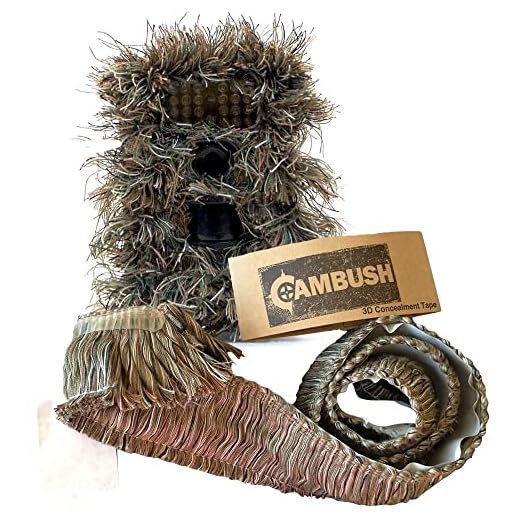
We rely on good concealment to keep deer and people from spotting our setups; camo tape is one of the easiest ways to do that. It’s a low‑cost, versatile addition that extends the stealth of trail cameras and mounts.
Why we carry camo tape in the pack
We use camo tape as a fast, effective way to break up silhouette and reduce shine on plastic or metal camera housings. It’s especially useful on pressured properties where deer or people may notice unusual shapes on logs or posts.
Practical features and application tips
How we use it while scouting
A common trick we use: match tape placement to local bark patterns and apply in small strips rather than one large sheet to avoid a taped‑on look. For tree‑mounted cameras, we paint the antenna and strap with tape, then add small strips around the lens hood to cut shine without obstructing the view.
Limitations and best practices
Tape can wear or lift after months in wet climates, and some adhesives may leave residue on older plastics. It’s an inexpensive, non‑technical fix—don’t expect it to replace smart placement, angle choices, or real vegetation concealment when pressure is high.
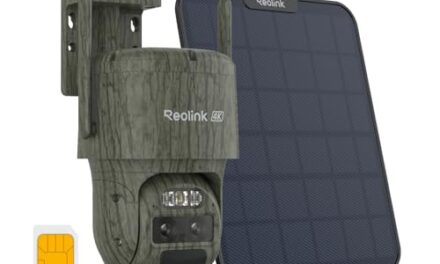
4G LTE Solar PTZ 2K Cellular Trail Camera
We like the feature set—solar charging, PTZ control, and an included SIM for short‑term testing make this appealing for long deployments. It’s attractive for remote food plots or security overlaps where you want occasional live checks without running power.
Advanced features for extended setups
We deploy this solar PTZ camera when we want long‑term monitoring with the ability to pan and tilt for wider coverage. The built‑in solar panel and 8000mAh battery reduce site visits, which is a huge plus on large properties or remote food plots.
Feature breakdown hunters care about
Field usage notes and tactical tips
We recommend mounting this unit where sun exposure is consistent to keep solar charging efficient. For best results, combine it with a higher mounting point and use the PTZ to sweep known travel corridors. The included short‑term SIM is handy for testing, but plan on arranging a long‑term data plan for continuous use.
Caveats and realistic expectations
Some spec discrepancies exist (camera stills often register lower than advertised), and night detection range is shorter than large‑sensor cellular cams. We treat this as a feature‑rich midrange tool—excellent for remote coverage and convenience, but not a replacement for a high‑resolution premium scouting camera.
Final Thoughts
Our top pick for serious deer hunters is the Browning Defender Vision Pro HD Cellular Camera. Why? Its 24MP sensor and 110' night detection give us the detail and distance we need to ID antler points and watch movement patterns well before shooting light. Use it on primary travel corridors and big funnels. Mount it higher (8–12 ft) and angle down to capture long approaches; enable cellular alerts so we can react to fresh sign quickly.
For hunters who want fast, reliable scouting without the highest price tag, the Covert WC20-V 4G LTE Trail Camera is our go-to secondary choice. It triggers quickly, produces clean daytime images, and is ideal for mid-range setups and frequent previews. Place it on trails, food-plot edges, or pinch points at chest height (3–5 ft) and aim across travel paths for profile shots. It’s perfect for wide property sweeps and filling the gaps between our premium Browning stations.


The KJK mini sounds perfect for my mobile racks. 36MP and 0.1s trigger is tempting. Any tips for mounting to avoid false triggers with the wide 130° angle?
Angle it slightly down and avoid facing open sky or heavy brush that moves in the wind. Also reduce sensitivity or use a short delay to prevent repeated triggers by the same animal.
Also, set the detection zone where available and keep the camera about 12–20 feet from the expected trail to balance wide angle coverage without capturing too much background motion.
Really liked the breakdown on the Browning Defender Vision Pro — 24MP and 110′ night detection is impressive. I’m wondering though: how bad are the monthly costs for the cellular plan when you run one of these? Also, does anyone know how long batteries last with moderate photo/video settings?
Also consider scheduling triggers (night off) or lower-resolution transmissions to save both battery and data. Works well if you only need daytime scouting.
Great question. Battery life varies a lot by how often the camera transmits and whether you shoot lots of video. For Browning with moderate use (a few triggers per day, some video), expect a couple weeks to a month on standard AA batteries; many users switch to lithium AAs or external battery packs for longer deployments. Cellular costs depend on the provider and plan — look for pay-as-you-go or low-data plans aimed at IoT devices.
I run a Defender on Verizon and use their small data plan — about $5–10/month for infrequent images. With lithium AAs and setting it to send pics only during daylight I get ~6 weeks in my area.
Solar PTZ cameras always look like a dream until a raccoon rips the panel off or a storm fries the electronics.
I get the appeal — PTZ, 2K, live feed — but in practice those fancy setups seem to require more babysitting. Anyone had good luck with the 4G LTE solar PTZ models long-term? Or am I being a curmudgeon?
You’re not alone—solar + PTZ introduces more points of failure (moving parts, solar charge controller, weather seals). They work well in exposed spots with solid mounting and theft-reduction measures. For truly remote, unattended setups we often prefer simple battery or external battery + no moving parts.
Curmudgeon? Nah 😂. My experience: they’re great for maintained places (farm gate, cabin). For deep woods, stick with rugged no-PTZ cams.
Had one for a season — pro: occasional live checks were great. Con: birds nested under the panel and chewed wiring. I added a metal guard and it improved survivability.
Curious about data costs: between the Browning Defender and the Covert WC20 series, which tends to eat more data? I’m assuming frequent video clips will blow through any plan fast.
Correct — video will be the big data hog. For stills-only plans you can get away with a very small monthly allotment. If you need video, shop for plans that offer low-cost overages or unlimited data for IoT (if available).
Videos definitely use way more data. If you want frequent updates, stick to short 5–10s clips or stills only. Defender has image-heavy modes too; compare settings.
I bought a couple of the OUTDOOR EXPERT 20MP minis for covert spots last season. They are small, blend in, and the no-glow night shots actually surprised me.
Practical tip: run a disposable SD card swap every month and mark the date. Saves you from losing a whole season when a card fails. Also rub a little camo tape on exposed screws — keeps curious kids/folks from noticing.
Works great for high-traffic scrapes and pinch points.
Do you run them with lithium batteries or external packs? I worry about draining them fast if it’s a hot spot.
Good tip on the screw tape! I had a neighbor kid shine a flashlight at one of mine last fall and it was a mess 😂
Love the practical approach — small cams + routine checks are often the most reliable way to gather consistent data without losing units to weather or vandals.
Stealth question — do you guys prefer using camo tape (like CAMBUSH) or natural covering with branches/moss? I usually do both but I’m curious about people who rely mostly on tape.
I feel like:
– Tape is fast and tidy
– Natural stuff blends better but can fall off
Which approach wins in your experience?
Same here — tape as the base layer (weather-proof and neat), then a bit of local material to break up the outline. Just avoid putting leaves directly over sensors or lens!
I do both. Tape first for consistent color/pattern, then add a few bits of local foliage. Keeps it from looking like ‘new gear’ while staying secure.
Quick legal/use question: are there any restrictions using these cameras on private property for security versus hunting scouting? I mainly want the GardePro WiFi for both deer scouting and occasional property checks.
Laws vary by state and country. On private property you usually can use a camera for both scouting and security, but be mindful of audio recording restrictions (some places require consent) and if the camera overlooks public land or a neighbor’s property you could run into privacy rules. When in doubt, check local regulations.
Also good to let family/housemates know you have cameras around the cabin — avoids awkward conversations later.
Comparing night detection: Browning’s 110′ vs the OUTDOOR EXPERT’s 80ft no-glow — is the extra 30 feet on Browning usually a practical advantage? Or does the no-glow stealth of the smaller cam often win out for close-in setups?
I used both in one season — Browning on the big cut, OUTDOOR EXPERT in a heavy-pressured bedding funnel. Complementary.
It depends on the use case. Browning’s longer detection and higher sensor power helps identify bucks at longer ranges and is better for open fields. No-glow minis like OUTDOOR EXPERT are better for super-close stealth in pressured areas. For many setups we use a mix: long-range cams on open approaches, no-glow minis tucked into tight funnels.
If your spot gets a lot of human traffic, go no-glow. Deer in pressured areas will avoid red-glow flashes but still might notice the camera body — so concealment + no-glow is key.
Thinking about the COVERT WC20-V vs WC20-A — basically Verizon vs AT&T. If I’m running cameras across a 200-acre property, is there a clear winner, or is it just ‘check carrier signal where you place it’?
It’s literally carrier coverage for your spots. I used AT&T in one county and it worked great; moved 10 miles and suddenly Verizon was better. Map both carriers before buying.
I switched between the two depending on where my food plots were. The hardware is basically the same; pick the one with better reception at the stand spots.
Right — hardware parity is close for the WC20 models. I recommend a quick drive-around with your phone (or a cheap signal meter) at likely camera trees to decide. Also remember LTE bands differ by region, so if you have a nearby tower preference that can sway the choice.
Pro tip: put the camera higher (8-10′) and angle it slightly down — sometimes reception improves a bit vs ground-level placement.
Ok this happened to me: set a KJK on a tree, later found deer literally sniffing it and doing a slow ‘stare’ pose. My cam got the best headshots of a buck I’ve ever seen 😂
Point being: the wide-angle on the KJK can create hilarious close-ups if deer come close. Also bait at your own risk — they get nosy.
Hah, love the humanzing deer portrait series. Same happened to me — one doe nuzzled the cam and left a nose print on the lens protector. Clean that thing after a close encounter.
If they get too close you might want to move the cam back a bit — close wide-angle shots can distort antler size if you’re trying to judge bucks.
Has anyone used the GardePro E6 WiFi cam? The 48MP stills sound great, but I’m worried about needing WiFi at the camera. How close does it need to be to the router/access point?
I have one on a cabin property. You’ll basically need reliable local WiFi within ~30–60ft depending on foliage and antenna setup. A mesh or external extender helps if you want higher resolution transfers.
Correct — WiFi cams like the GardePro shine when you have a local network reach. They save on monthly fees and give big resolution shots, but they require either a nearby hotspot or an extender/mesh node placed closer to the camera.
Battery options: if I wanted a long-term deployment using a 4G LTE solar PTZ and also run a Browning Defender in another spot, what’s the best combo? External battery pack + solar for the PTZ and lithium AAs for Browning? Any specific amp-hour recommendations?
Good summary. For the PTZ, a 50Ah AGM or LiFePO4 with a proper solar panel (100W+) and MPPT controller is a decent mid-size starting point for temperate climates. The Browning is happiest on lithium AAs or a dedicated external AA-holding battery pack; it avoids cold-related capacity loss better than alkalines.
For PTZ I’d go solar + deep-cycle battery (40–100 Ah depending on winter sun) and a charge controller. For Browning, lithium AAs are the easiest unless you have a separate solar/pack. If you’re in winter months expect MUCH less solar output.
Anyone have experience with CAMBUSH 3D camo tape? Does it peel off in rain? I need something that won’t fall apart after a few storms.
Also remember tape reduces, but won’t eliminate, visual detection from curious people — combine with placement tricks to stay covert.
I’ve used it for 2 seasons. A few edges peeled in high humidity but nothing catastrophic. Re-tape in the off-season and you’ll be fine.
If you want extra protection, wrap the tape over itself at seams so water runs off — like little shingles. Worked for me.
CAMBUSH tape is generally weather-resistant but application matters. Clean the camera housing before applying and press firmly to avoid edges lifting. In extreme wet climates you might add a dab of exterior adhesive behind the tape for long-term stays.